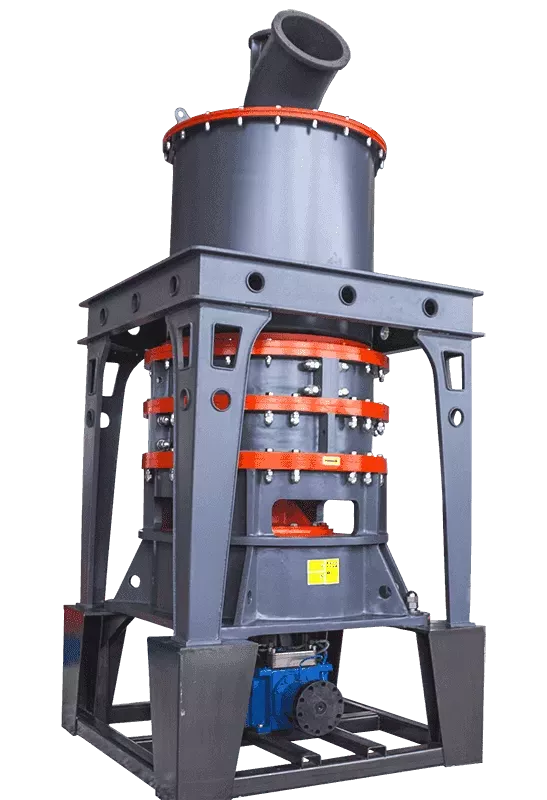
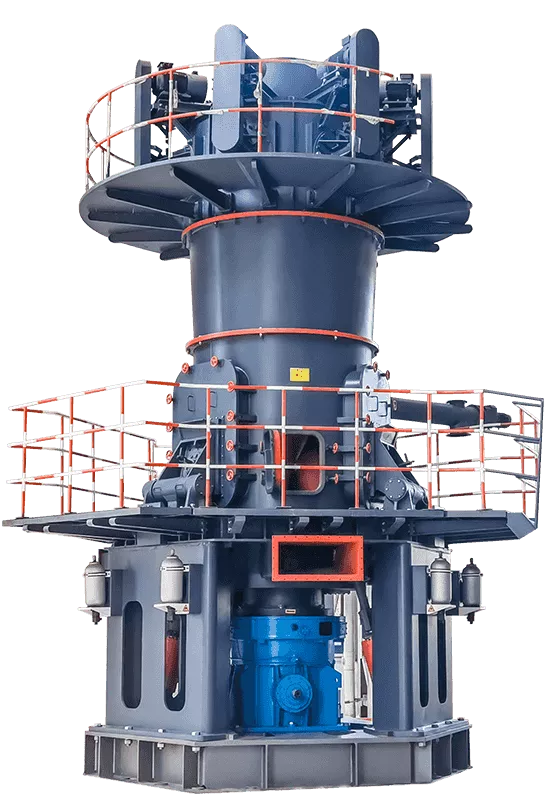
The company's main products are HGM series micro pulverizer, superfine micro pulverizer, micro pulverizer, superfine pulverizer, pulverizer and matching hammer crusher, etc.
16/10/2026 clirik
Calcium Carbonate Ores are widely used industrial mineral resources found in many products around our daily life, from building materials and paper to plastics, coatings, rubber products, and other applications.Similar to talc, calcium carbonate is also one of the most widely used industrial minerals in daily products and manufacturing industries.
However, when people talk about calcium carbonate, they may not realize that this material does not come from only one type of natural resource.
In nature, calcium carbonate exists in different forms depending on geological formation processes. The most common calcium carbonate ores include calcite, limestone, marble, and chalk.
Although these materials mainly consist of the same chemical component — CaCO₃, their differences in formation, hardness, purity, structure, and applications make them suitable for different industrial uses.
Understanding these differences is the first step in selecting the right processing method and producing high-quality calcium carbonate powder.
Calcium carbonate (CaCO₃) is a natural mineral compound widely distributed around the world.
After mining, calcium carbonate ores usually need to go through several processing stages, including:
Depending on the final application, calcium carbonate can be processed into different powder sizes, from coarse powder to ultrafine powder.
Different industries have different requirements:
| Application | Main Requirement |
| Plastic | Good dispersion and stable quality |
| Paint and coating | Fine particle size and high whiteness |
| Paper | High purity and brightness |
| Rubber | Reinforcement and filling performance |
| Construction | Stable physical properties |
Therefore, selecting suitable calcium carbonate ore and processing technology is essential for achieving the required powder performance.
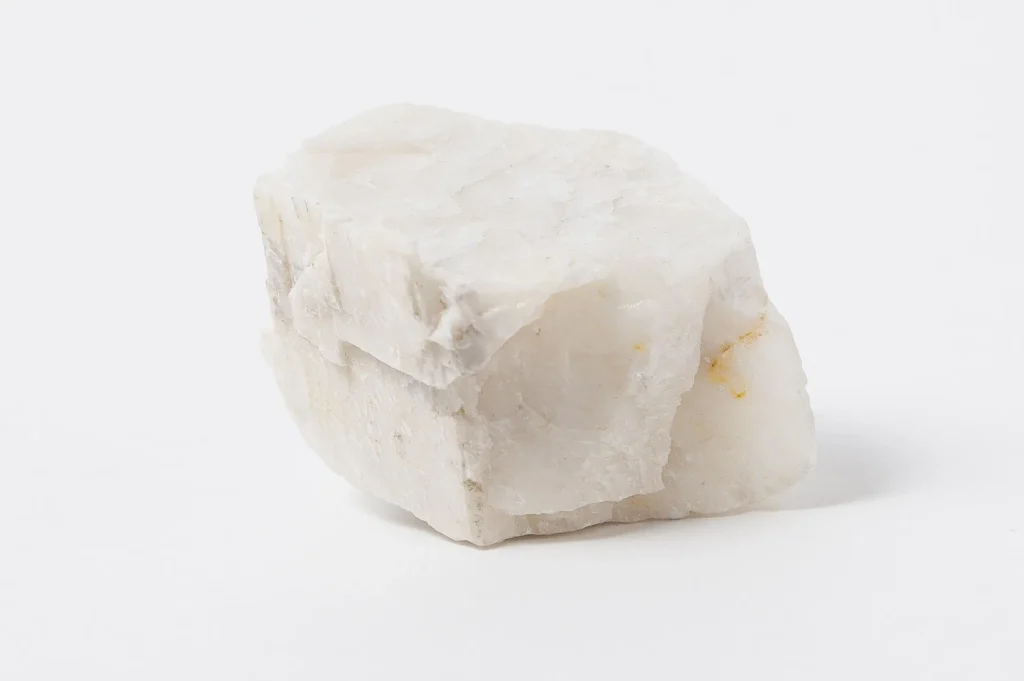
Calcite is one of the most important natural forms of calcium carbonate and is widely used for industrial calcium carbonate production.
It is a crystalline mineral with relatively high purity and stable chemical properties.
Main characteristics:
Because of its quality, calcite is commonly used in applications requiring higher powder performance, such as:
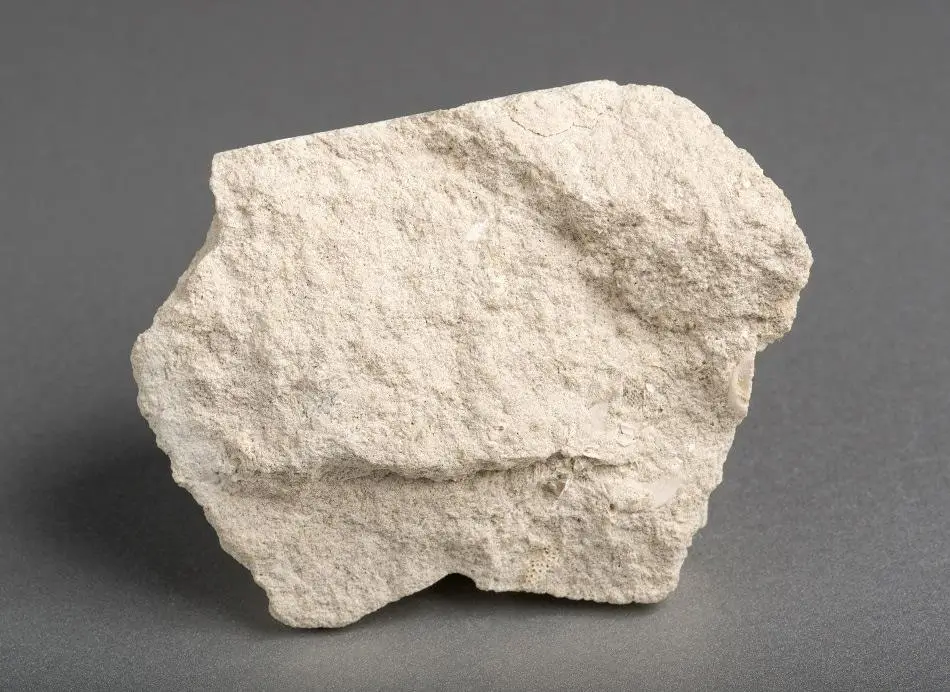
Limestone is one of the most abundant calcium carbonate rocks in nature. It is a sedimentary rock mainly composed of calcium carbonate.
Compared with calcite, limestone may contain more impurities, including:
However, limestone has advantages such as large reserves, easy availability, and relatively low production cost.
Main applications include:
The quality of limestone varies significantly depending on its origin and mineral composition.
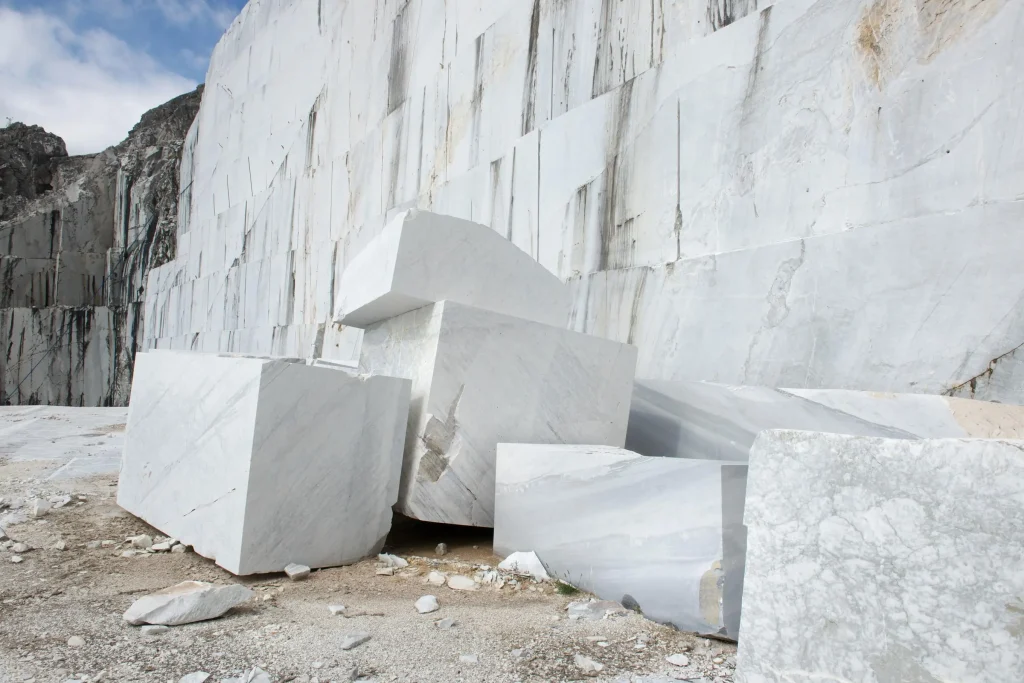
Marble is a metamorphic rock formed when limestone or other carbonate rocks undergo high temperature and pressure over geological periods.
During this process, the original mineral structure recrystallizes, creating a denser and more compact material.
Main characteristics:
Besides decorative applications, selected marble resources can also be processed into high-quality calcium carbonate powder for industries requiring higher whiteness and purity.
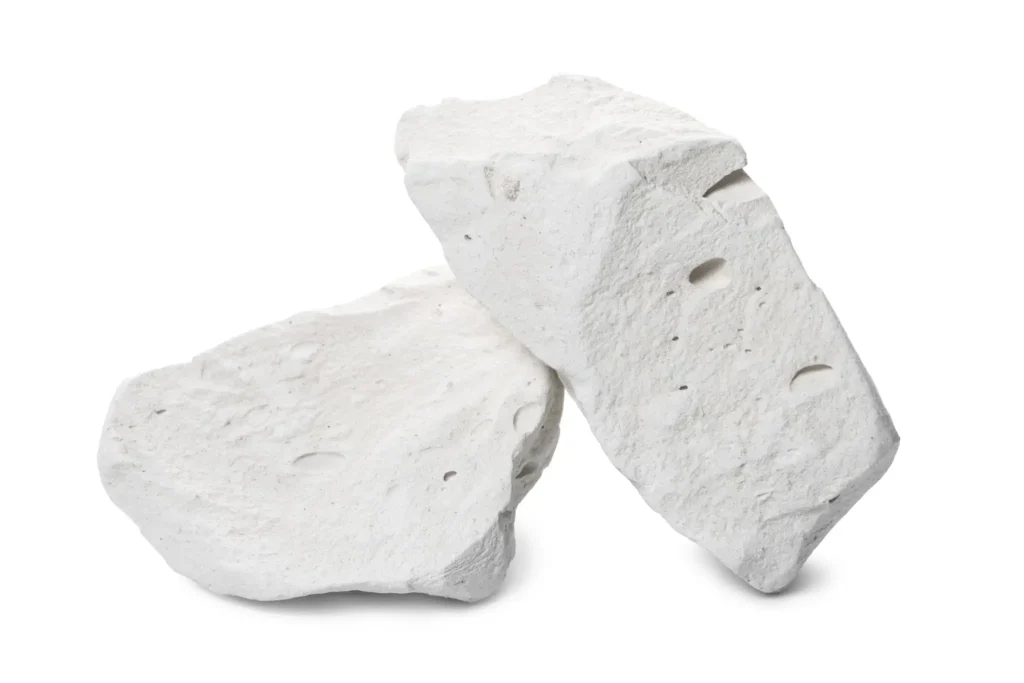
Chalk is a soft calcium carbonate material mainly formed from accumulated marine biological remains.
Compared with other calcium carbonate ores, chalk has a much softer structure.
Main characteristics:
Because of its softness, chalk requires relatively less grinding energy.
Typical applications include:
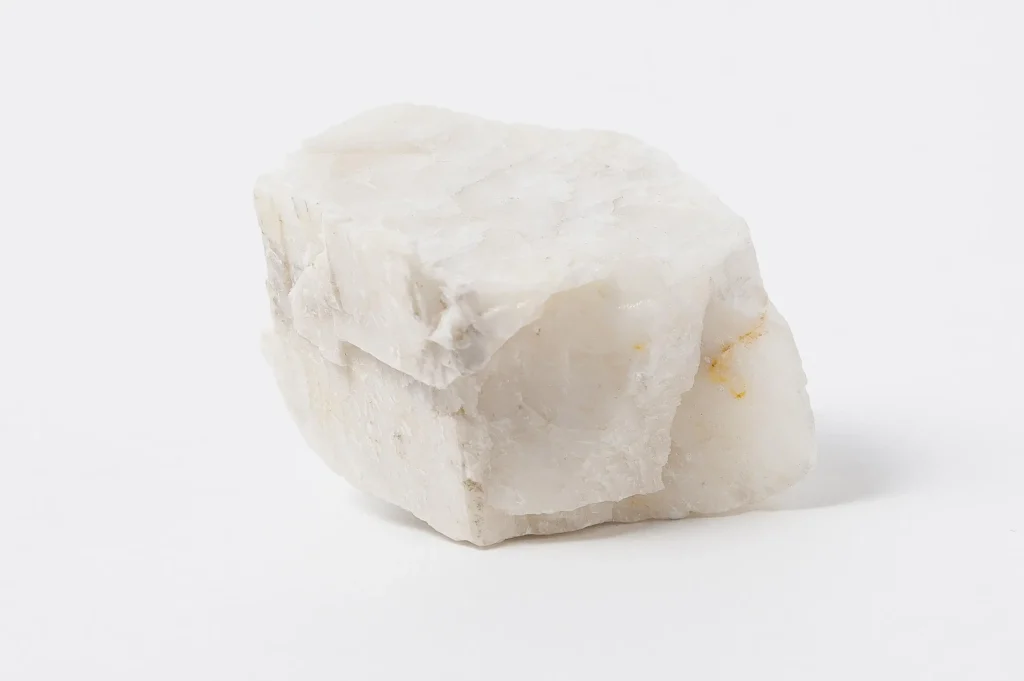
Calcite
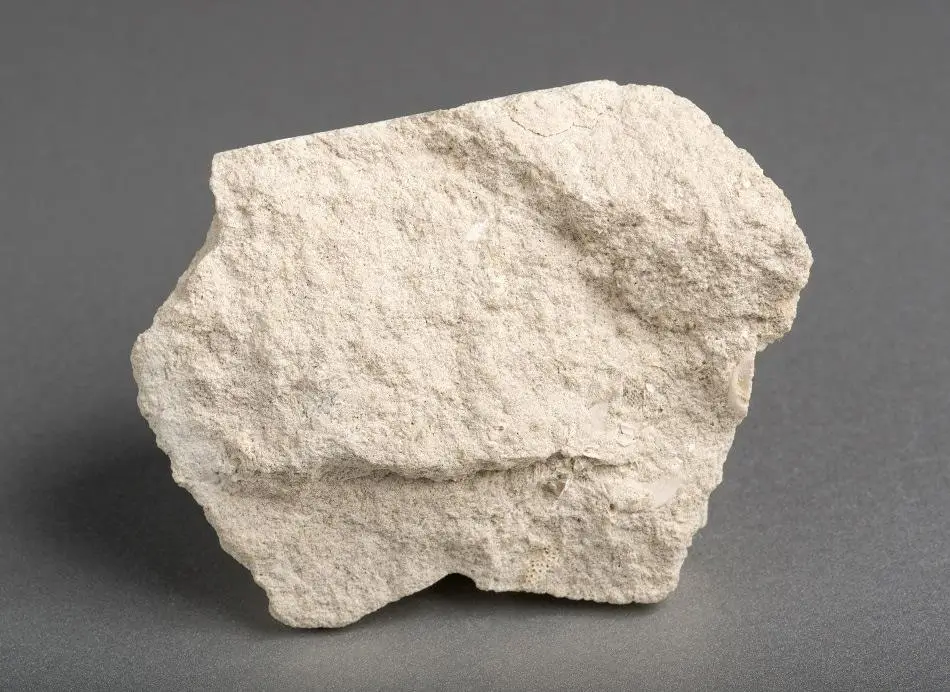
Limestone
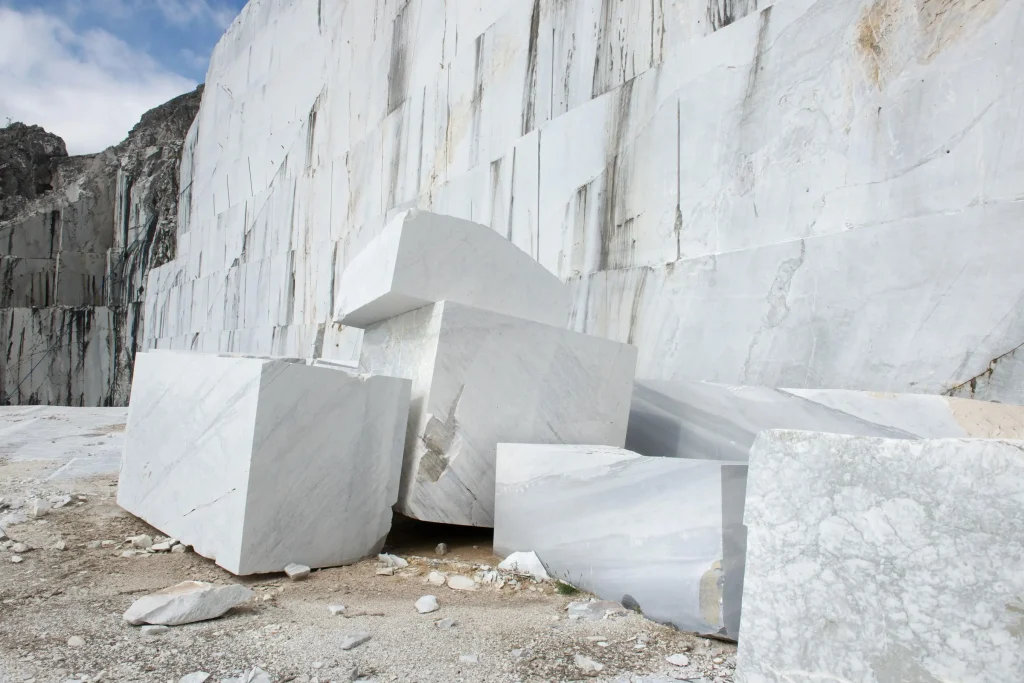
Marble
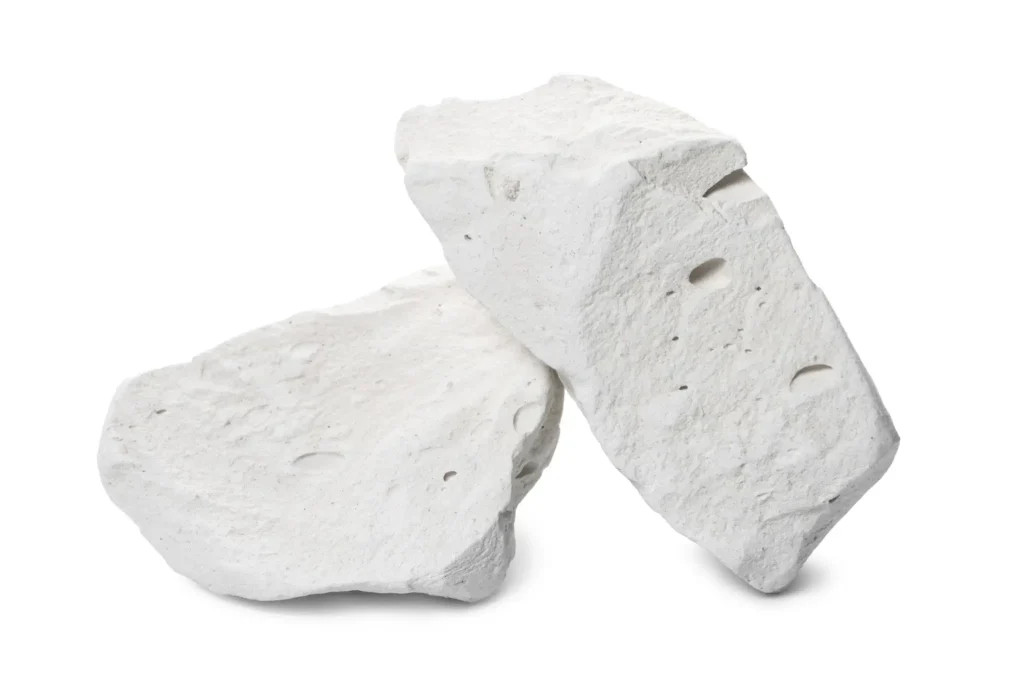
Chalk
| Type | Formation | Hardness | Purity | Main Features | Applications |
| Calcite | Natural mineral crystal | Medium | High | Stable structure and high purity | Fine powder, coating, plastic |
| Limestone | Sedimentary rock | Medium | Medium | Large reserves and wide applications | Cement, construction |
| Marble | Metamorphic rock | Higher | High | Dense structure and good whiteness | Premium fillers, decoration |
| Chalk | Marine biological sediment | Low | Medium-high | Soft and easy grinding | Paint, plastic, rubber |
Although all four materials are calcium carbonate resources, their different physical properties directly affect grinding performance, energy consumption, and final powder quality.
During calcium carbonate processing, the characteristics of raw materials have a direct impact on the grinding process.
Harder materials usually require more grinding energy and may cause higher equipment wear.
For example:
For high-end applications such as coatings, paper, and plastics, higher purity and whiteness are important factors.
Different applications require different powder fineness.
For example:
Therefore, the grinding system should be selected according to raw material characteristics and final product requirements.
Producing high-quality calcium carbonate powder requires not only suitable raw materials but also efficient grinding and classification technology.
For materials such as:
the processing solution should consider:
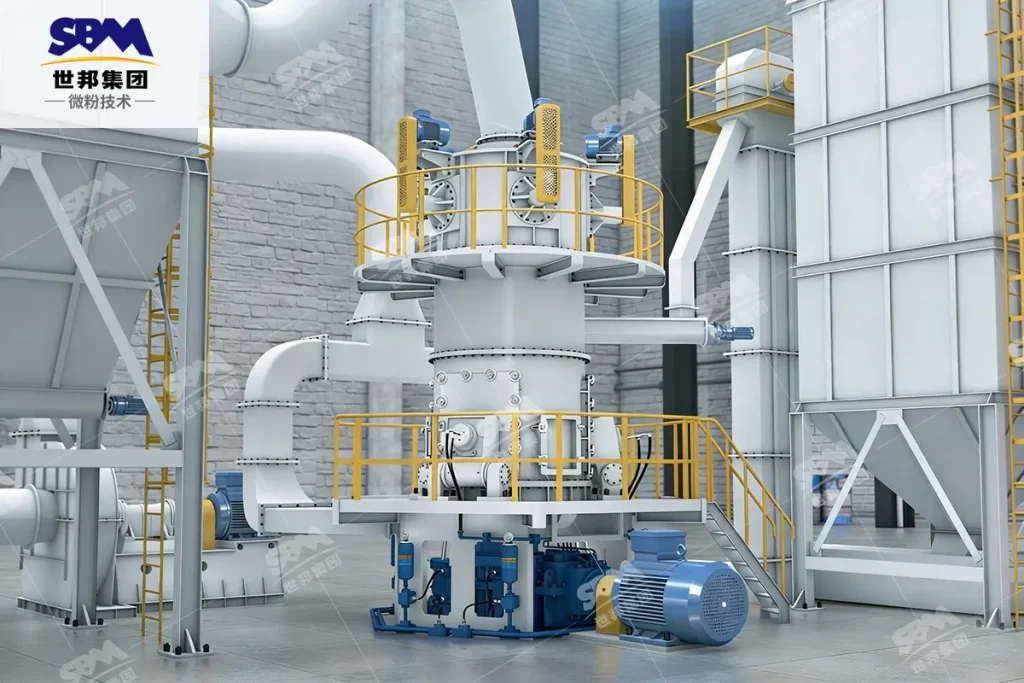
Advanced grinding systems combined with precise classification technology can help produce calcium carbonate powder with controlled particle size distribution and stable quality.
For applications requiring ultrafine powder, an efficient grinding and classification system can provide better control over final product performance.
The most common natural calcium carbonate ores include calcite, limestone, marble, and chalk.
Calcite is a mineral form of calcium carbonate with a crystal structure, while limestone is a sedimentary rock mainly composed of calcium carbonate and may contain more impurities.
Chalk is generally easier to grind because it has lower hardness and a softer structure compared with marble and dense limestone.
Not always. The final powder quality depends on raw material purity, whiteness, mineral composition, grinding technology, and classification accuracy.
Important factors include raw material properties, required particle size, production capacity, energy consumption, and final application requirements.
If you have some questions about our products, please feel free to fill out the form below, and we will contact you within 24 hours.