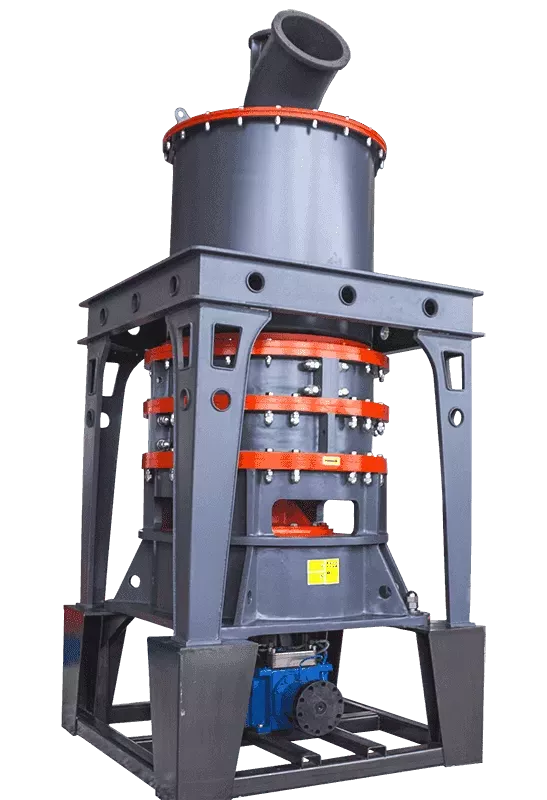
The company's main products are HGM series micro pulverizer, superfine micro pulverizer, micro pulverizer, superfine pulverizer, pulverizer and matching hammer crusher, etc.
02/09/2026 clirik
A Talc Powder Grinding Mill is essential for processing natural talc ore into fine and ultra-fine powder for cosmetics, plastics, rubber, coatings, and other applications.

Think about the cosmetics you use every day. Foundation, loose powder, eyeshadow, blush, and body powder all need a fine and uniform powder texture to achieve the desired formulation and application performance.
One of the mineral raw materials used in these powder-based products is talc.
As mentioned in our previous article about carmine, mineral raw materials can play an important role in everyday cosmetic products even though they may not be visible to consumers. Talc is another example. After being processed from natural ore into fine powder, it can be used in cosmetics and many other industries.
But natural talc ore is not ready for these applications when it comes directly from the mine. It needs to be crushed, ground, classified, and collected before it can become a usable talc powder.
This makes the talc powder grinding process an important step in producing fine and ultra-fine talc for different applications.
Talc is a soft silicate mineral with a naturally smooth and slippery feel. It is usually white or off-white, although its color can vary depending on impurities in the mineral.
Because of its physical properties, talc powder has a wide range of applications. It can be used in cosmetics, plastics, rubber, paints and coatings, papermaking, ceramics, and other industries.
For cosmetic applications, the requirements for talc powder are usually more demanding than those for some general industrial uses. Particle size, powder uniformity, whiteness, purity, and the quality of the raw material all need to be considered.
Therefore, the right grinding process is important when the final product requires fine or ultra-fine talc powder.
A typical talc powder processing line can include several stages:
Talc Ore → Crushing → Grinding → Classification → Powder Collection
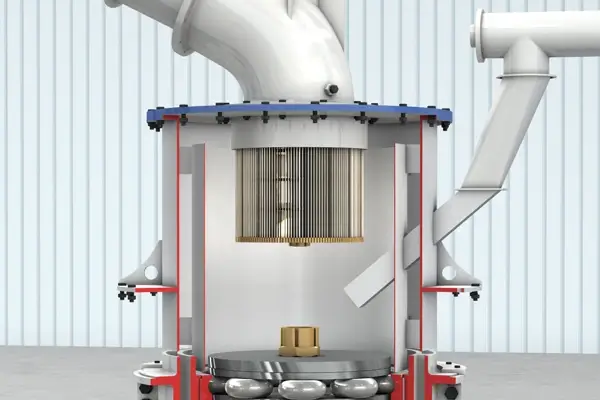
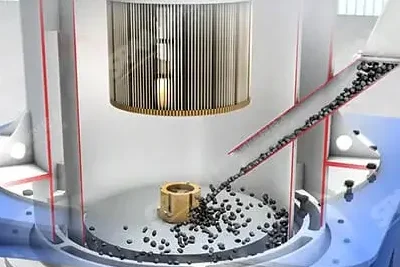
First, large talc ore is crushed into smaller pieces suitable for feeding into the grinding mill. The crushed material is then evenly fed into the grinding chamber.
During grinding, the talc particles are reduced to the required size. The powder is then classified according to particle size. Fine powder that meets the target fineness is collected as the final product, while coarser particles can return to the grinding system for further processing.
The existing talc processing information on the website also follows this basic crushing, grinding, classification, and collection process.
For applications requiring finer powder, the grinding and classification system becomes especially important because the final particle size needs to be controlled more precisely.
The final application determines the required talc powder fineness.
For example, talc used as a filler in plastics, rubber, paints, or paper may have different fineness requirements from talc used in cosmetic formulations.
The existing talc processing content lists common talc powder specifications ranging from several hundred mesh to ultra-fine grades, while ultra-fine grinding mills can be used for applications requiring finer powder.
For a high-quality talc powder production line, the grinding mill should therefore provide:
When these requirements become more demanding, an ultra-fine vertical grinding mill can provide a practical solution.
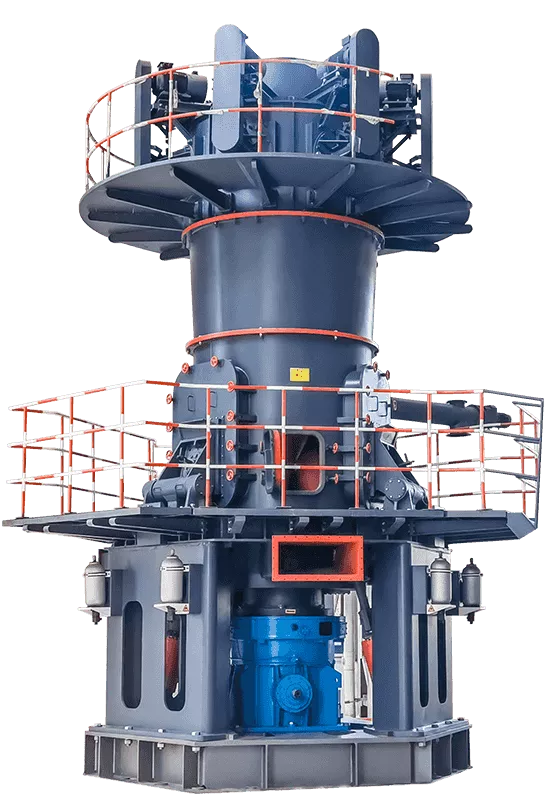
For talc applications requiring fine and ultra-fine powder, our CLUM Ultrafine Vertical Mill integrates grinding and classification into one processing system.
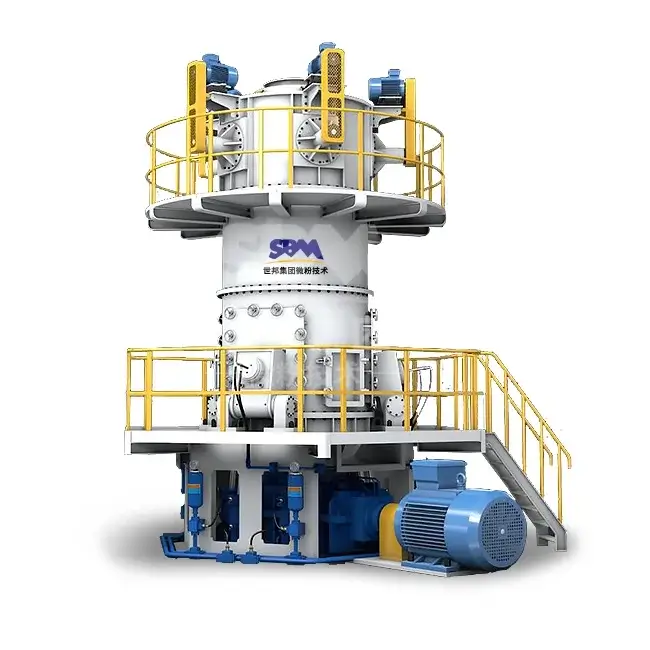
The mill can be used for talc and other non-metallic minerals, with adjustable fineness depending on the selected model and processing requirements. Existing product information for the CLUM series indicates a fineness range of approximately 150-3000 mesh, with applications including talc and other non-metallic minerals.
For talc powder processing, the main benefits of this type of vertical grinding system include:
The grinding and classification system is designed for fine and ultra-fine mineral powder production, allowing the finished fineness to be adjusted according to the application.
Grinding and classification work together in the same production system. This helps separate qualified fine powder from coarser particles and return oversized material for further grinding.
A controlled grinding and classification process helps maintain a more consistent finished powder, which is important for applications with specific particle size requirements.
Different CLUM models can be selected according to feed conditions, target fineness, and required capacity, making the system suitable for different scales of talc powder production.
| Item / Model | CLUM1425 | CLUM1632 | CLUM1736 |
| Plate Diameter (mm) | 1400 | 1600 | 1700 |
| Number of Rollers (pcs) | 3 | 3 | 3 |
| Number of Classifiers (pcs) | 6 | 6 | 8 |
| Classifier Power (kW) | 6×15 | 6×22 | 8×22 |
| Main Unit Power (kW) | 220-250 | 315-355 | 355-410 |
| Blower Power (kW) | 180-200 | 250-280 | 325-355 |
| Feed Size (mm) | <10 | <10 | <10 |
| Feeding Material Moisture | <3% | <3% | <3% |
| Output (<2 μm = 30%) (t/h) | 9-12 | 12-16 | 14-18 |
| Output (<2 μm = 45%) (t/h) | 5.5-7.5 | 7-9 | 10-12 |
| Output (<2 μm = 60%) (t/h) | 3-4 | / | / |
There is no single grinding mill that is suitable for every talc project.
The appropriate model depends mainly on:
For example, a project producing several hundred mesh talc powder may have different equipment requirements from a project producing ultra-fine powder for high-value applications.
For this reason, we recommend determining the equipment model based on the actual raw material and production target rather than choosing a machine only by its nominal capacity.
If you provide the talc feed size, required fineness, and expected capacity, we can help recommend a suitable grinding mill and processing configuration.
Processed talc powder can be used in many industries.
For cosmetics, it can be used in powder-based products such as loose powder, cosmetic powder, and other formulations. Other applications include plastics, rubber, paints and coatings, papermaking, ceramics, and chemical products.
This wide application range means that talc grinding projects can have very different requirements. The grinding process should therefore be designed according to the final powder specification rather than the raw material alone.For more information about talc powder grinding mills, please refer to previous articles.
For fine and ultra-fine talc powder, the CLUM Ultrafine Vertical Mill can be used. The final equipment selection depends on the required fineness and capacity.
The required fineness depends on the application. Talc powder can be processed from several hundred mesh to ultra-fine grades, with CLUM systems covering fine and ultra-fine powder applications.
Capacity varies with the model, feed material, and target fineness. For example, the CLUM1632 can produce 12-16 t/h when 30% of the finished powder is below 2 μm, according to the provided technical table.
Yes. The grinding system can be configured for fine and ultra-fine talc powder according to the required particle size and processing conditions.
Yes. We can provide equipment selection and a complete grinding solution based on the customer’s raw material, target fineness, capacity, and site conditions.
Whether you need several hundred mesh talc powder or ultra-fine powder for high-value applications, the right grinding and classification system can make a significant difference to the final product.
Send us your talc sample information, feed size, required fineness, and production capacity. We can recommend a suitable grinding mill and processing solution for your project.
If you have some questions about our products, please feel free to fill out the form below, and we will contact you within 24 hours.